You may be surprised to learn just how many myths surround the fascinating world of septic systems. While these essential home components may not be the most glamourous topic, understanding the truth about them is crucial for maintaining a healthy environment. Let’s explore some common myths and separate fiction from the facts.
Myth 1: Septic Systems Don’t Require Maintenance
One of the most common myths about septic systems is that they don’t require any maintenance. This is far from the truth. While it is true that septic systems are designed to be self-sufficient to some extent, they still need regular care to function properly.
The Facts
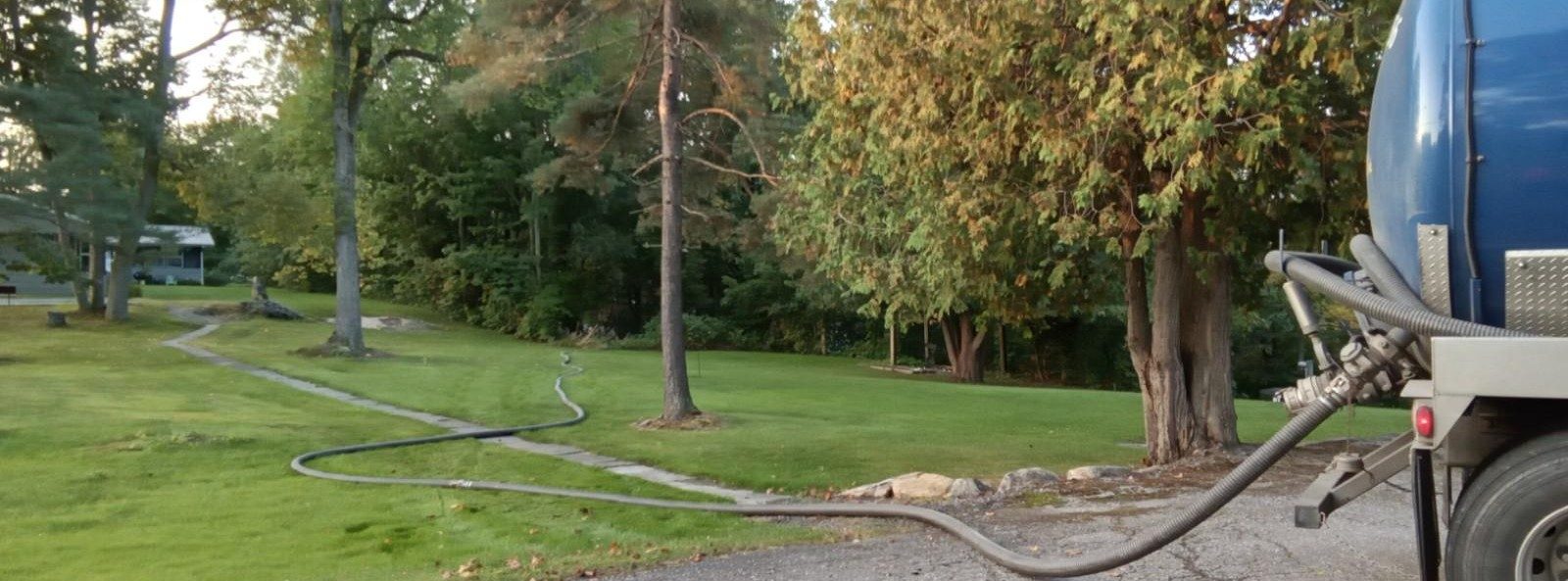
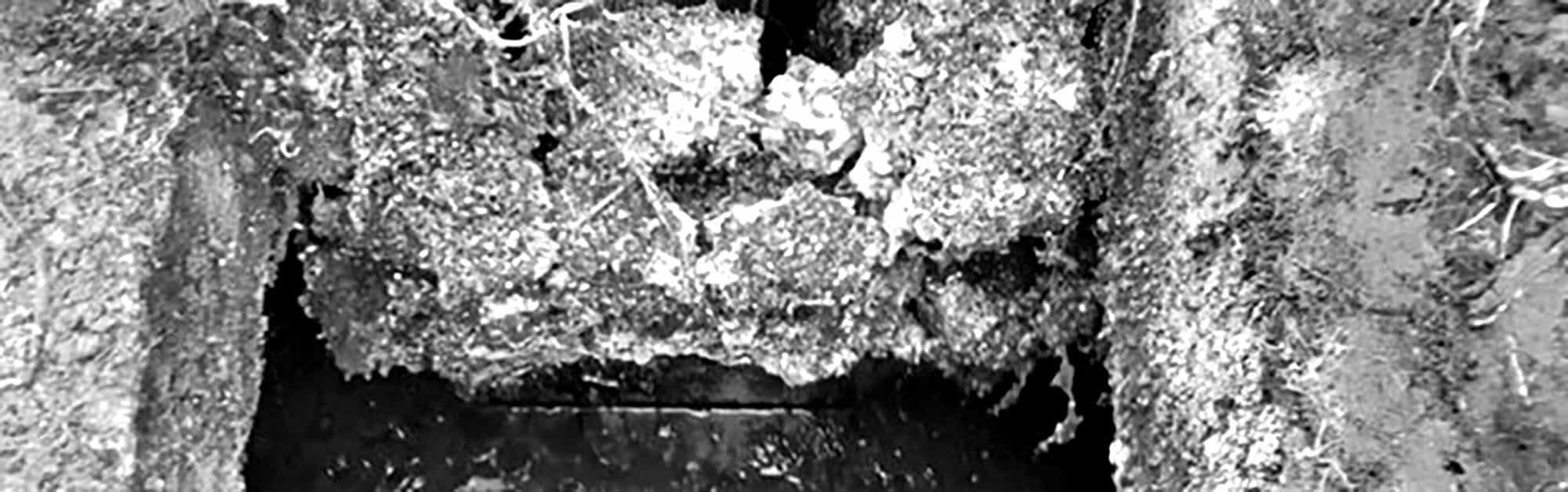
Regular maintenance, including septic tank pumping, is essential to prevent system failure. Over time, the solids accumulate in the tank, and if not removed, they can cause blockages and even lead to costly repairs. It’s generally recommended to have your septic system inspected and pumped every three to five years, depending on the size of your household and tank.
Myth 2: Additives Eliminate the Need for Pumping
Another common myth is that using septic tank additives can replace the need for regular pumping. These additives are often marketed as miracle solutions that break down solids and eliminate waste.
The Facts
While some additives can help break down specific materials, they are not a substitute for regular pumping. In fact, certain additives may even harm the bacterial balance necessary for your septic system to operate efficiently. Relying solely on additives can lead to solids accumulating in the tank, eventually causing blockages or overflow.
Myth 3: Septic Systems Harm the Environment
Many people believe that septic systems are bad for the environment, assuming they lead to pollution and contamination of ground water.
The Facts
When properly maintained, septic systems are an environmentally friendly way to manage household waste. They treat sewage naturally by using bacteria to break down the waste before safely dispersing the treated water into the ground. Regular maintenance ensures that septic systems work effectively without posing a risk to the environment.
Myth 4: You Can Put Anything Down the Drain
Some homeowners mistakenly believe that septic systems can handle any type of waste, from cleaning wipes to grease and oils.
The Facts
Septic systems are not designed to process anything other than human waste, toilet paper and wastewater. Flushing non-biodegradable items like wipes, feminine hygiene products or harsh chemicals can lead to clogs and disrupt the delicate balance of bacteria in the system. Always be mindful of what you flush to ensure the longevity and efficiency of your septic system.
Myth 5: Septic Systems Never Need Replacing
It’s a common misconception that once a septic system is installed, it will last indefinitely without the need for replacement.
The Facts
Like any other home system, septic systems have an expected lifespan. On average, a well-maintained septic system can last between 20 to 30 years. However, factors such as poor maintenance, excessive water usage or soil conditions can shorten its lifespan. Regular inspections can help identify issues early and extend the life of your system.
Myth 6: All Septic Systems Are the Same
Some people assume that all septic systems function identically and require the same care and maintenance.
The Facts
Septic systems can vary significantly based on factors like design, size and soil type. Understanding the specific needs of your system is crucial for effective maintenance. Our staff can help you tailor your care routine to your system’s unique requirements.
Conclusion
We hope this has shed some light on the common myths surrounding septic systems and provided understanding on how they truly function. By teaching the facts, we aim to help you maintain a healthy and efficient septic system, which in turn protects your home and the environment.
Remember, regular maintenance and informed usage are key to a successful septic system. If you have any questions or concerns, feel free to reach out to us. Our team is always here to help you with your septic and portable toilet needs. Take care of your septic system and it will take care of you.