
What Not to Flush: The Ultimate Septic‑Safe Household Guide
Your septic system is tough, but it’s not invincible. One of the easiest ways to protect it is by being careful about what goes down your drains. Some items may seem harmless, but they can clog pipes, kill helpful bacteria, or cause expensive damage.
Here’s your friendly guide to what not to flush (or pour) into your septic system.
1. “Flushable” Wipes (Spoiler: They’re Not Flushable)
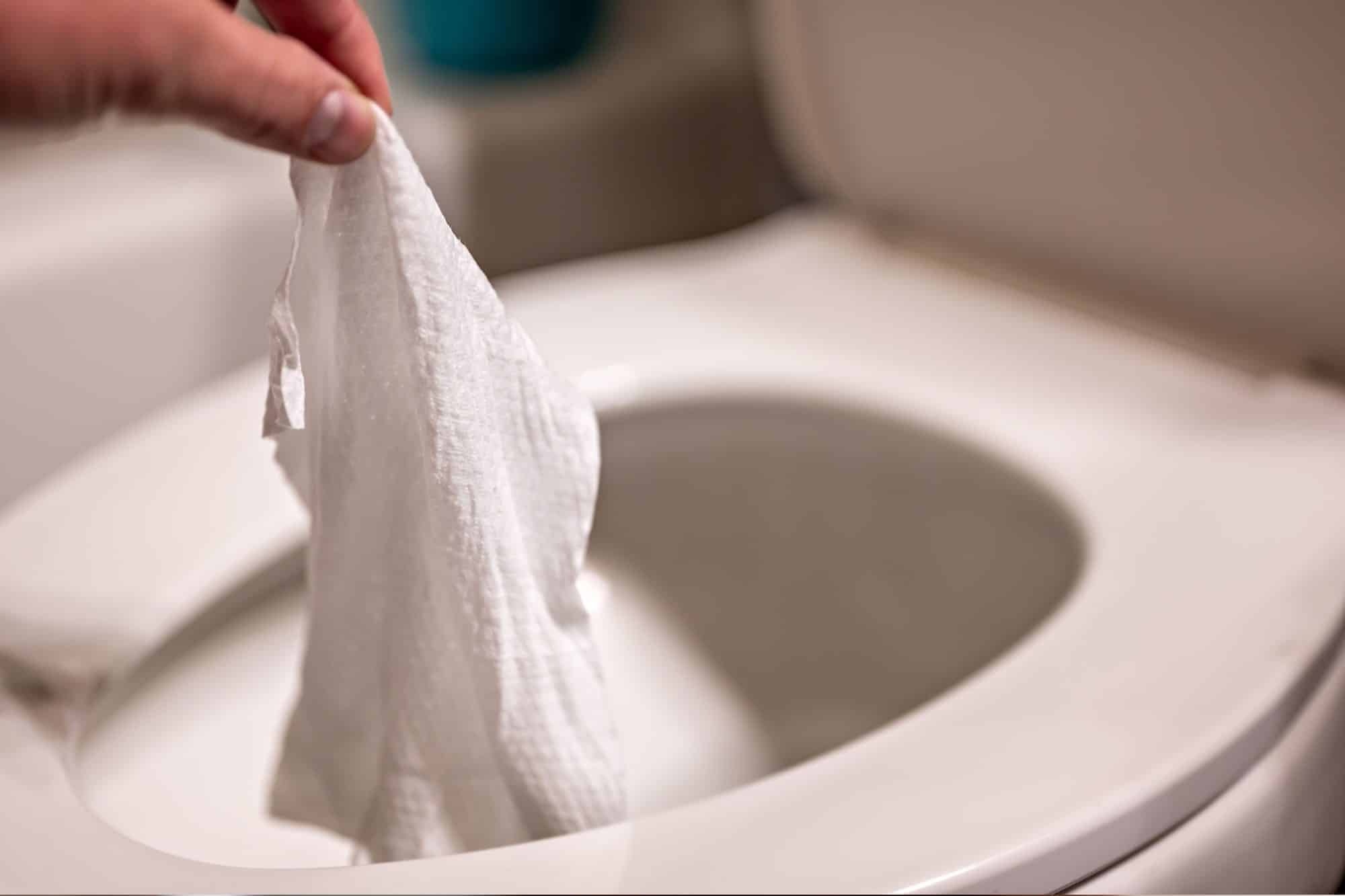
“Flushable” wipes are one of the most common misconceptions in the market right now, and people continue buying and using them.
While it’s understandable that you want to feel as clean as possible after doing your business, flushable wipes are terrible for your septic system. The difference between wipes and toilet paper is what’s holding the wipe together, which would be micro-plastics and cleaning chemicals that are unable to break down in the septic tank.
They can cause clogging in your pipes and can cause your septic tank to have a world of trouble. The reason toilet paper is acceptable to flush is that it breaks down over time as it’s made from only paper.
Think it’s fine because you’re on town water? Think again. This can be a plumbing nightmare that is incredibly expensive to solve and can damage pipes or cause back ups if the clog is big enough. Flushable wipes are also often the cause of clogs in the wastewater treatment plants where huge mounds of wipes tangle together and cause, what are known in the industry as ‘fatburgs’ that need to be broken apart by hand before the entire system starts backing up out of sewer drains.
The best way to avoid the use of flushable wipes and feel clean is a bidet which can now be easily installed to your home toilet. It’s like a little shower for your nether regions whenever you want!
2. Grease, Oil, and Fat
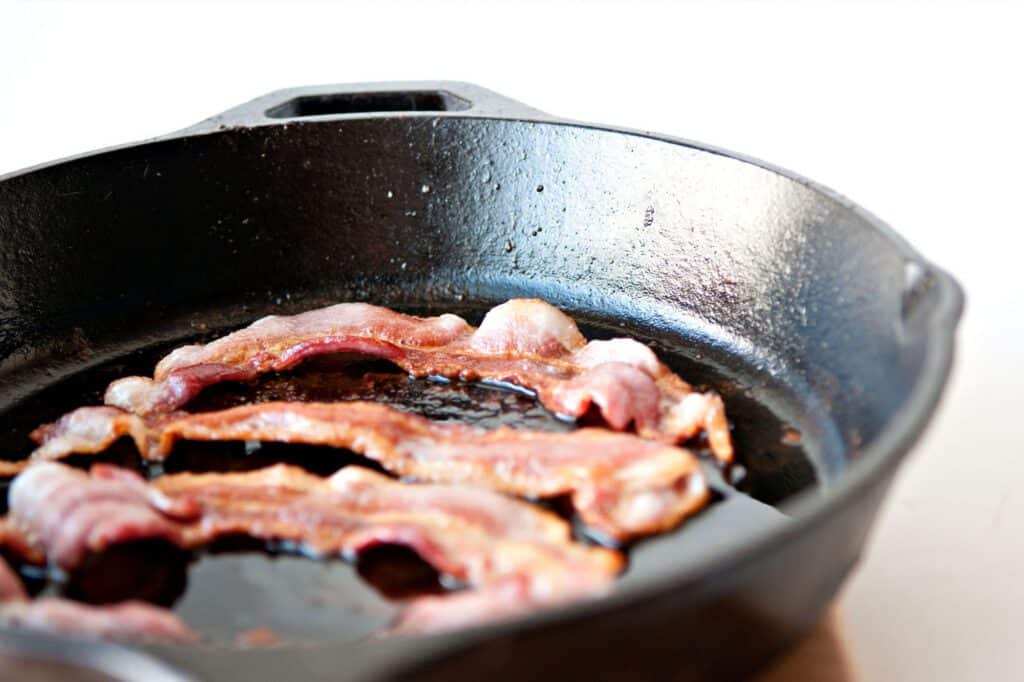
Have you ever made a whole package of bacon and then left the pan out to sit while you enjoy breakfast with your family? When you came back, you may have noticed that the bacon grease had completely hardened onto the pan where you’d left it.
Now, what would happen if you poured it down the drain? Out of sight out of mind right? Wrong. Grease, oil and fats are terrible for your septic tank but also your pipes. Pouring grease down your drain is the equivalent of pouring hot candle wax down your drain, it acts basically the same way. It hardens up and can create massive back ups or close off your drain completely.
It’s also bad for your septic tank. Your septic is built to handle some of these greases or fats and oils to go down the drain, like washing down a bit of left over salad dressing from the salad you had at lunch. But over time, the layer of scum at the top of your septic tank will become too much and won’t properly break down in the tank.
3. Feminine Hygiene Products
Similarly to the flushable wipes, pads and tampons do not break down. They are filled with micro plastics and are made to absorb as much liquid as possible, so not only will they cause massive clogs in the system, but they’ll also never break down in your septic tank.
While this might be the easiest route to dispose of your products, it’s simply incorrect. Sanitary products always belong in the garbage, if you’re concerned about smell then you can roll it up with the wrapper in toilet paper before throwing it in the trash.
4. Paper Towels and Tissues
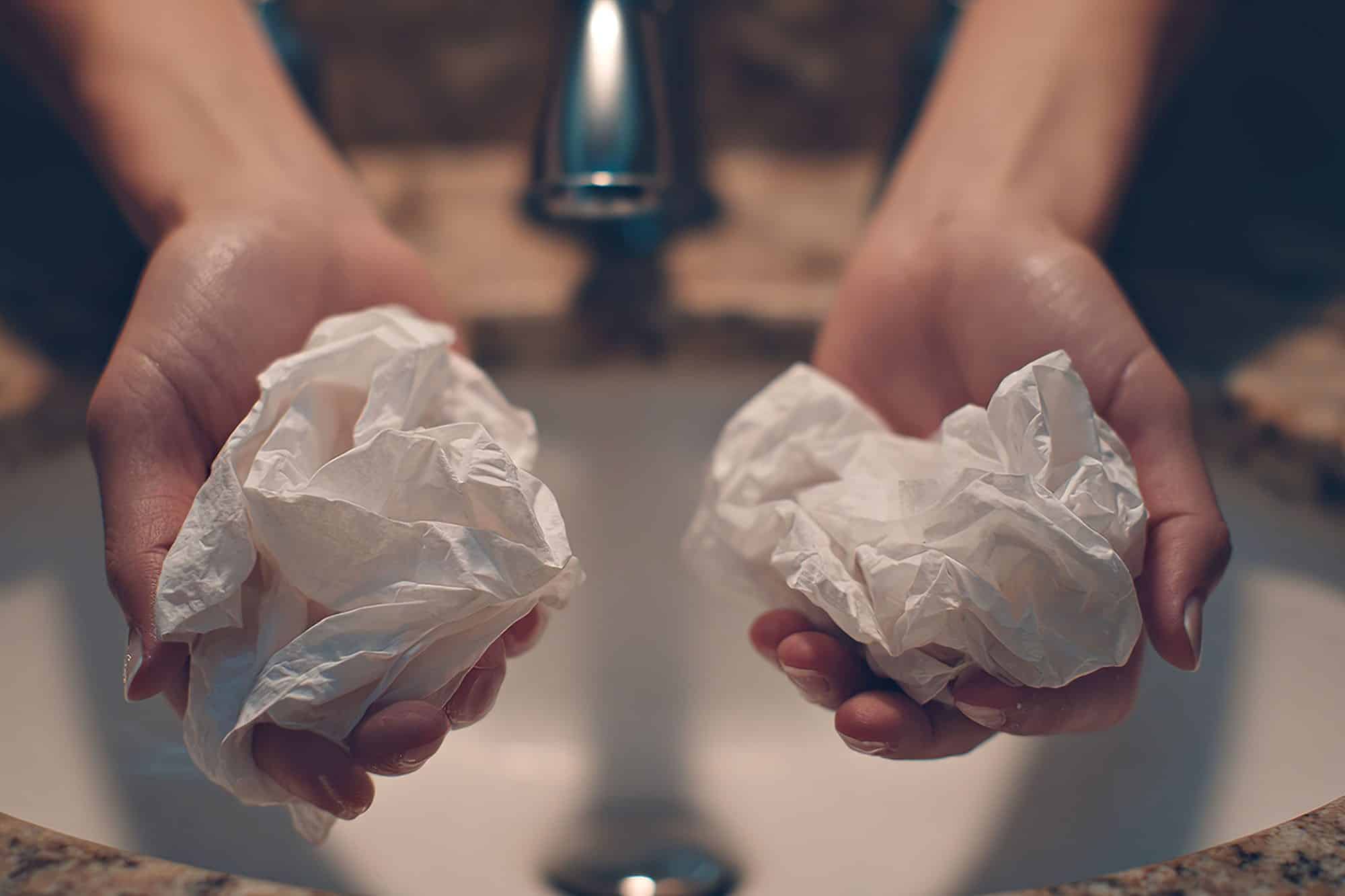
You may think that paper towels and tissues are able to be flushes away because they’re so similar to toilet paper that it should be fine. The problem with paper towels and tissues is that they are designed to be super strong when they’re wet. Normally, this is what we look for in paper towels, so they can absorb spills and water and tissues for blowing noses and absorbing tears.
However, in your septic tank it can be detrimental and create a massive ball of paper that isn’t able to break down and can be very difficult for us to break up when we come to do the septic pumping at your property.
5. Harsh Chemicals
People also tend to flush down a lot of chemicals that do not belong in your septic system. Anything like bleach, drain cleaners and even some antibacterial soaps can kill the helpful bacteria that grows in your septic system and keeps it healthy.
It may seem like disposing them down the drain is the best way to rid yourself of them but unfortunately it isn’t. Check with your local city or town website to see if there are any sort of safe disposal sites for you to bring extra chemicals to.
In the city of Toronto you can order the “Toxic Taxi” to come to your home and collect anything from extra chemicals like bleach, to paint cans, batteries and used light bulbs. This is an initiative put in place by the city to reduce the amount of harmful chemicals being sent down the drain that eventually make their way to water treatment facilities. But also to reduce the amount of dangerous products that people throw away, which can cause major safety risks for people working in the sanitation industry, including sorting plants, garbage collectors and also animals that may get into the trash bags at the curb.
6. Coffee Grounds
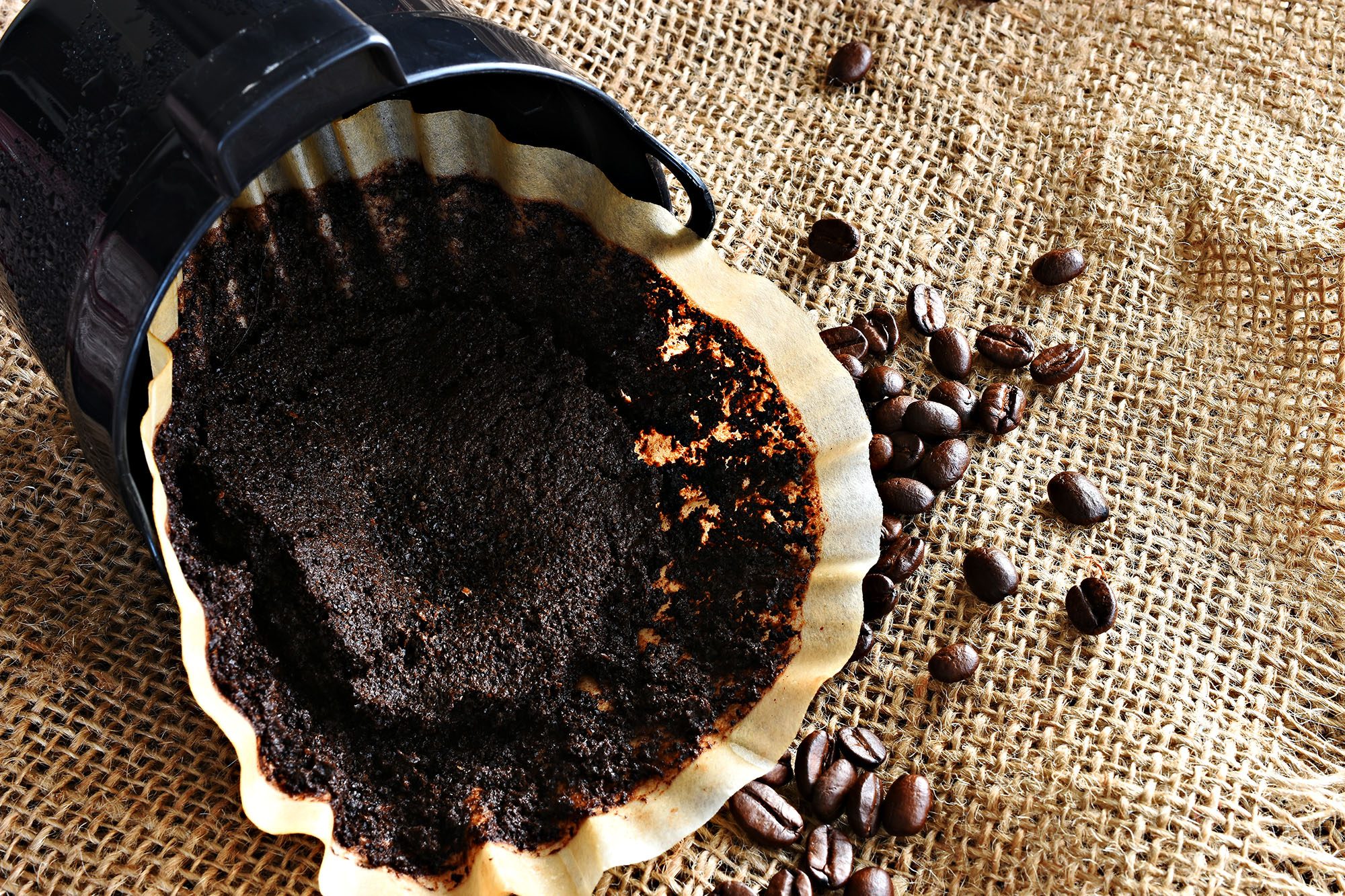
As someone who worked as a barista for many years, this one was a shock for me! Though, I learned this the hard way when one day at work the sink would not drain. We tried everything from filling the sink with water as hot as the tap would go and then trying to send it through all at once, snaking the drain, we even tried an organic drain cleaner, but nothing worked.
We had to call a plumber, and he came in, shut the water off and opened our drains up to discover A LOT of coffee grinds sitting in the p-trap so much so that we were basically brewing a full pot of coffee in our drain.
Coffee grinds don’t break down in the drain, and they won’t break down in your septic tank either. While they don’t necessarily harm anything as they’re just organic matter settling to the bottom of your tank, they do fill up the solids portion of your tank.
7. Cat Litter
Cat litter is a similar reasoning to coffee grounds, in that it won’t drain or break down over time. The difference being that cat litter can introduce bacteria to your septic system that may harm the eco system that exists in it.
It’ll also settle to the base of your tank or pipes and can cause issues with being too much solids in your tank. Which will result in having to get your tank pumped more often than planned, which will cost you more money in the long run.
8. Medications
Finally, flushing down any medication or pills of any sort is not good for your tank either. It will introduce chemicals to your system that will end up killing the helpful bacteria that makes your septic tank function properly.
It’s best to avoid flushing medication and instead look up to see if there are any services in your area for medication drop off. Otherwise, you can call your local pharmacist to bring in any unused medication and they will do the recycling for you.
Final Thoughts
A good rule of thumb is to only flush the three p’s: pee, poop and paper! Your septic system will thank you, and so will your wallet.

July 30, 2026
Latest Posts
-
 Emergency Septic Pumping: When to Call and What to Expect23 Sep 2026
 -
 How Weather Impacts Portable Toilet Performance and Placement09 Sep 2026
 -
 Why Commercial Properties Need More Frequent Septic Pumping27 Aug 2026
 -
What Not to Flush: The Ultimate Septic‑Safe Household Guide30 Jul 2026
-
 Planning Sanitation for Lakeside Events in Muskoka16 Jul 2026
 -
 Common Portable Toilet Rental Mistakes and How to Avoid Them24 Jun 2026
 -
 How Landscaping Choices Can Protect or Damage Your Septic System12 Jun 2026
 -
 Common Portable Toilet Rental Mistakes and How to Avoid Them28 May 2026
 -
 How Many Portable Toilets?20 May 2026
 -
 The Horrors Lurking in Your Septic Tank29 Oct 2025