Emergency Septic Pumping: When to Call and What to Expect
Septic emergencies don’t wait for a convenient time. They show up during long weekends, family gatherings, or right before guests arrive. The good news? Emergency pumping can stop the situation from getting worse, fast.
Here’s how to know when it’s time to call and what happens next.
When Is It an Emergency?
There are a few ways to tell if what’s going on is an emergency, starting with the most obvious method of detection: there’s sewage backing up in your toilets, sinks or tubs. At this point your septic tank has hit its absolute limit and can take no more.
This is a worst-case scenario and can be a catastrophe if you have small children or animals that live in your home. The clean up for this mess is quite costly and isn’t always covered by insurance unless specifically stated in your policy. It’s also not the easiest mess to clean up, for obvious reasons.
The next way to tell if you have an emergency on your hands is if you can smell any strong sewage odors inside of your home. This is often a sign that your tank is full and on the brink of starting to back up into your home. Again, this is unpleasant for all those inside the home and can lead to a terrible mess if left untreated.
Another way to tell if you’re getting close to an emergency is if you notice and pooling water on your lawn or gardens near where your septic tank or drain field is. This water will usually smell like sewage and be unpleasant. It’s bad for your grass and gardens and again, can be terrible if you have children or animals that like to play outside.
If you notice that when you flush the toilet, it’s accompanied by a gurgling noise that could be a sign that you’re getting close to capacity in your tank as well.
And finally, if you have a completely blocked plumbing system, you are at absolute full capacity and need to have your tank pumped at once.
What Causes Septic Emergencies?
There are a few reasons beyond just having a full tank that can be the culprit of a septic emergency. These can include clogs in your inlet or outlet, a drain field failure, excessive water use, and frozen lines if you’re experiencing issues throughout the winter.
If you think you’re having an emergency with your septic tank, you can give us a call to help troubleshoot your issue. It may be able to be solved by a simple pump out, but it may be an issue that a plumber is required to fix.
What Happens During an Emergency Pumping?
If you require our services here’s what will happen when a technician arrives at your property.
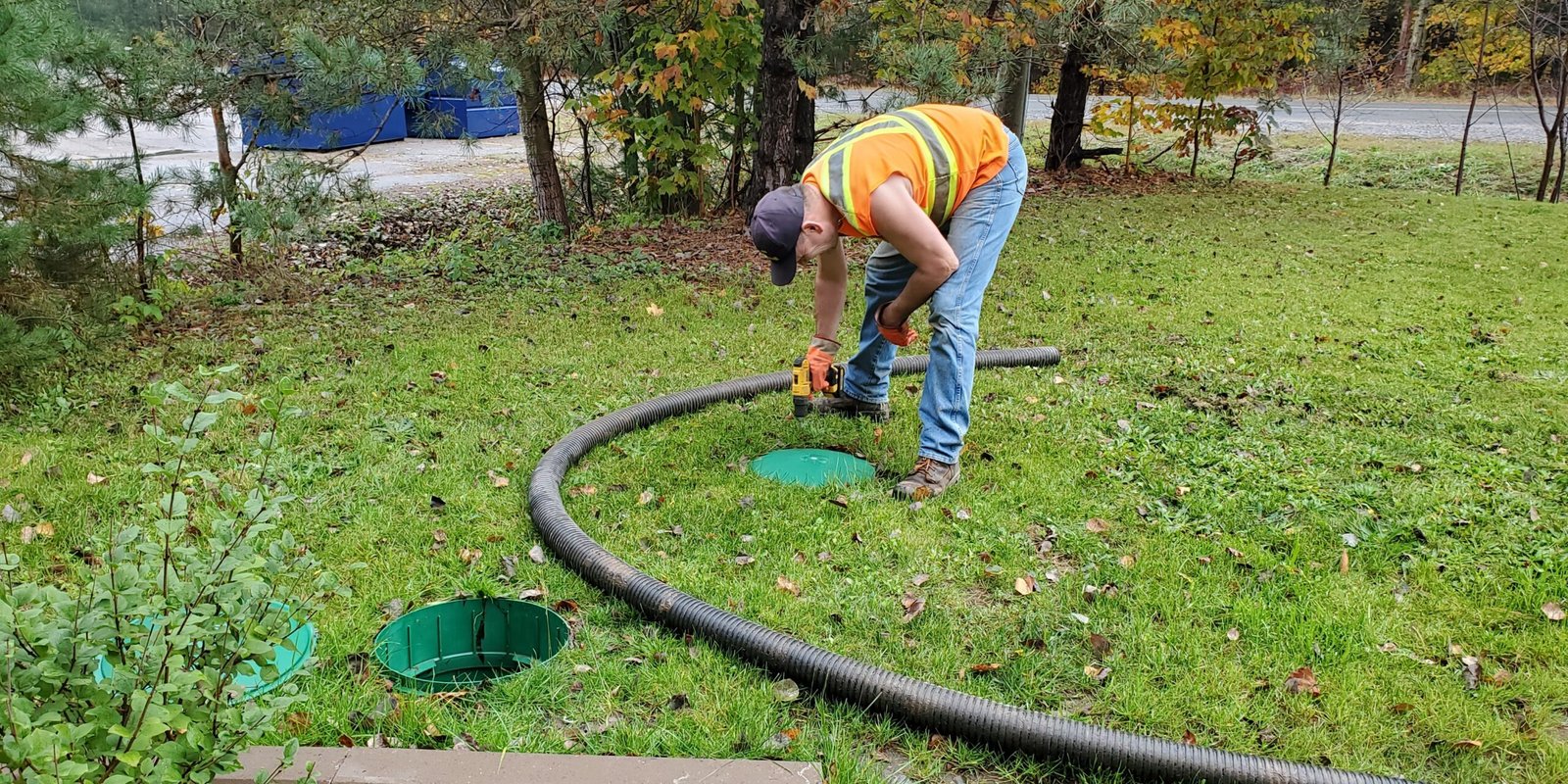
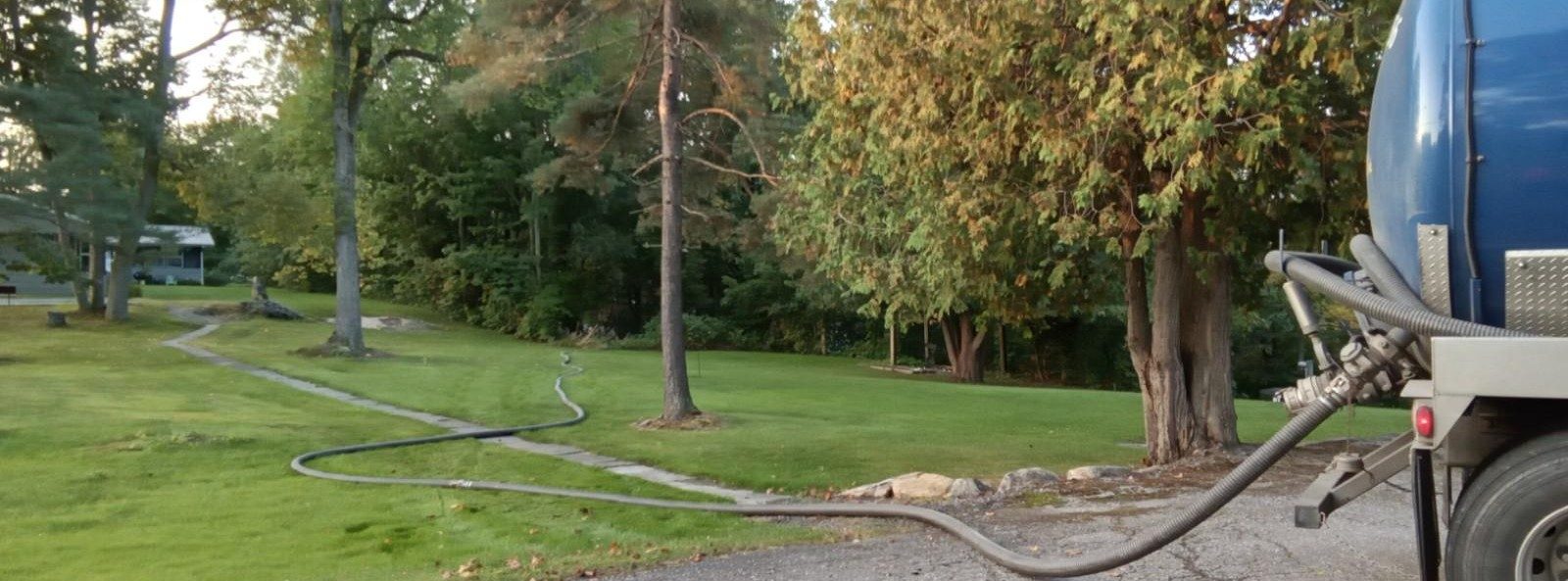
First, they will assess the situation and see if they can visually spot the cause of the issue. You’ll want to have your septic lids exposed, if possible, so that our technician can then begin to pump out your tank and relieve some of the pressure on your system. They will then check for any blockages in the piping while also doing an inspection of the baffles and flow pipes.
Then, they’ll be able to identify the root cause of the problem and let you know what they can see. Pumping will likely solve the immediate issue, however there may be follow-up repairs that have to take place, depending on how excessive the damage is.
How to Prevent Future Emergencies
There are some ways to prevent future emergencies with your septic tank. Here’s what we recommend:
We always recommend getting your tank pumped every three to five years, depending on a few factors. If you have a 1000-gallon tank, you’ll want to lean closer to that three-year mark so that you don’t run into that problem. If you have more than one bathroom, you may have a 2000-gallon tank which can last a little longer between pumping.
It also depends on usage, if you have a family of six or if you’re a happy couple, those numbers are going to be vastly different. If you don’t know how long it’s been since the last time your tank has been serviced, you can contact the company that did it and they’ll be able to tell you exactly when it was completed.
You’ll want to avoid flushing anything that doesn’t fall under the three p’s: poop, pee and paper. Anything like ‘flushable’ wipes, grease, chemicals, or cat litter, to name a few, are very hard on septic tanks and can be the cause of emergencies in the future.
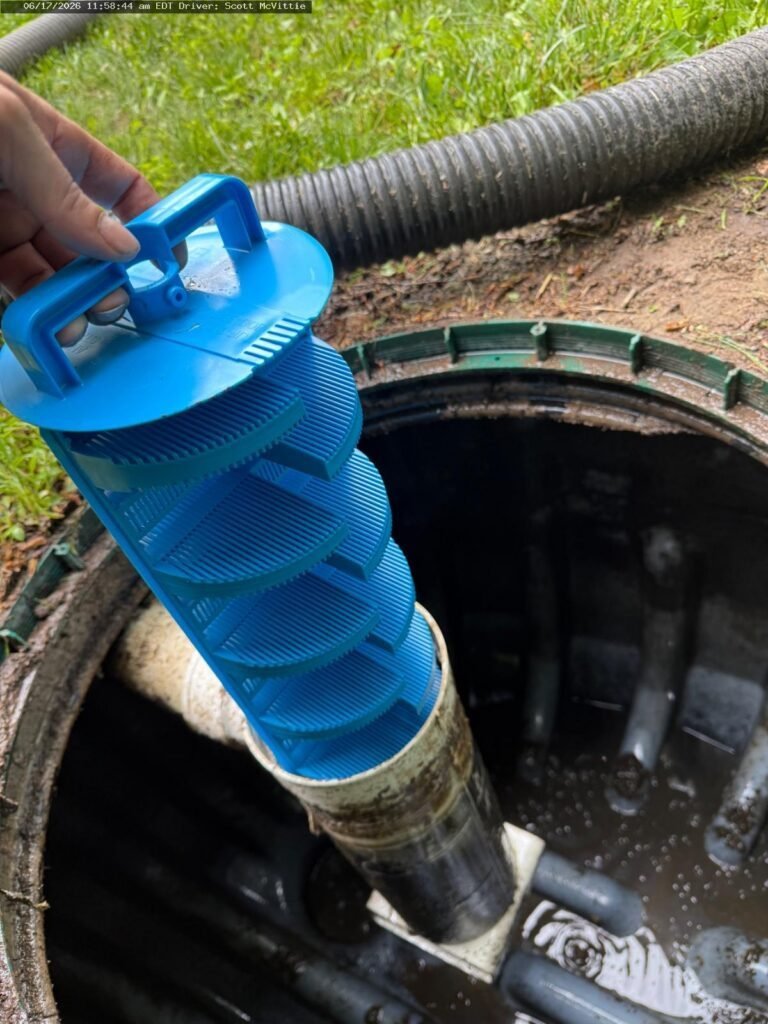
A tip that often gets overlooked but can cause some issues through the septic system is having your effluent filter rinsed out every year. If you can remember to take it out and rinse it when the clocks go back at daylight savings in the fall, you’ll be good all winter.
A super easy thing you can do to relieve a little stress on your system is spreading out your laundry loads. Laundry uses a lot of water and when the grey water is rushing into your septic tank, load after load, it can cause issues. Spreading your laundry loads out rather than going back-to-back eases a lot of problems for your septic tank.
Stay Calm, Help Is on the Way
Septic issues are stressful, especially if you’re used to city or town water and are new to the world of septic tanks. The important thing to remember is the issue is temporary and able to be fixed. You aren’t the first person to have an issue with your septic tank, and you definitely won’t be the last, either.
You can give us a call if you suspect anything funny is going on with your system and a technician will be able to open your tanks and find out what’s going on at once. Emergency pumping stops the crisis and gives your system a chance to recover. If you’re dealing with backups, odors, or flooding, don’t wait; fast action can save your home and your wallet.