The Grease Factor: How it Affects Your Septic System
If you have a septic system, you know it’s one of the most crucial components of your home’s infrastructure, quietly working away beneath the surface. Proper maintenance is key to ensuring it functions smoothly, and one of the biggest threats to its health is something that you might not expect: grease. While it might be tempting to pour leftover cooking grease down the sink after making a delicious meal, doing so can lead to big problems for your septic system. Let’s dive into how grease affects your septic system and why it’s important to keep it out.
Understanding Your Septic System
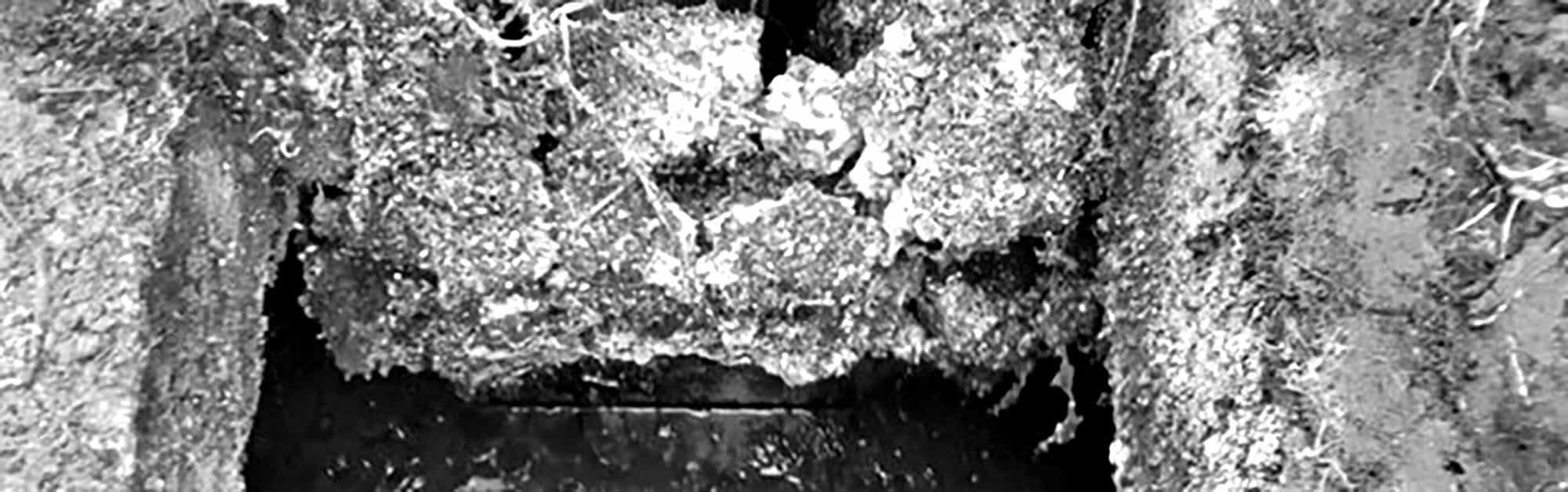
Before we get into the nitty-gritty of grease, let’s review how a septic system works. A septic system is an underground wastewater treatment structure commonly used in areas without centralized sewer systems. It consists of a septic tank and a drain field. Wastewater flows from your home into the septic tank, where solids settle to the bottom, forming sludge, while the oils and grease float to the top as scum. The liquid, known as effluent, exits the tank into the drain field, where it is naturally filtered by the soil.
Why Grease is a Problem
Grease, oil and fat are tricky substances for septic systems to handle. When you pour grease down the drain, it doesn’t just disappear. Over time, it accumulates, forming a thick scum layer in your septic tank. This layer can clog the inlet and outlet pipes, preventing wastewater from properly flowing through the system. Even worse, if the grease makes its way into the drain field, it can create a waterproof barrier, hindering the soil’s ability to absorb and treat the wastewater. This can lead to backups, unpleasant odors and costly repairs.
The Cumulative Effect
One of the biggest issues with grease is its cumulative effect. Unlike other substances that might break down or dissolve over time, grease sticks around. Even small amounts poured down the drain regularly can add up, leading to significant build-up. Think of it like cholesterol in your arteries; a little here and there might not seem like a big deal, but over time, it can cause serious blockages. In the case of your septic system, these blockages can lead to system failure if not addressed.
Environmental Impact
Beyond the immediate impact on your septic system, grease can also have broader environmental consequences. When grease enters the soil, it can prevent the effective filtration of wastewater, potentially leading to contamination of groundwater sources. This not only affects your property but can also have wider community implications, particularly in areas reliant on well water.
Avoiding Grease Troubles
So, what can you do to prevent grease from wreaking havoc on your septic system? The simplest solution is to avoid pouring grease down your drains altogether. Instead, collect it in a jar or can, let it solidify, and then dispose of it in the trash. Some communities offer grease recycling programs, so check if that’s an option in your area.
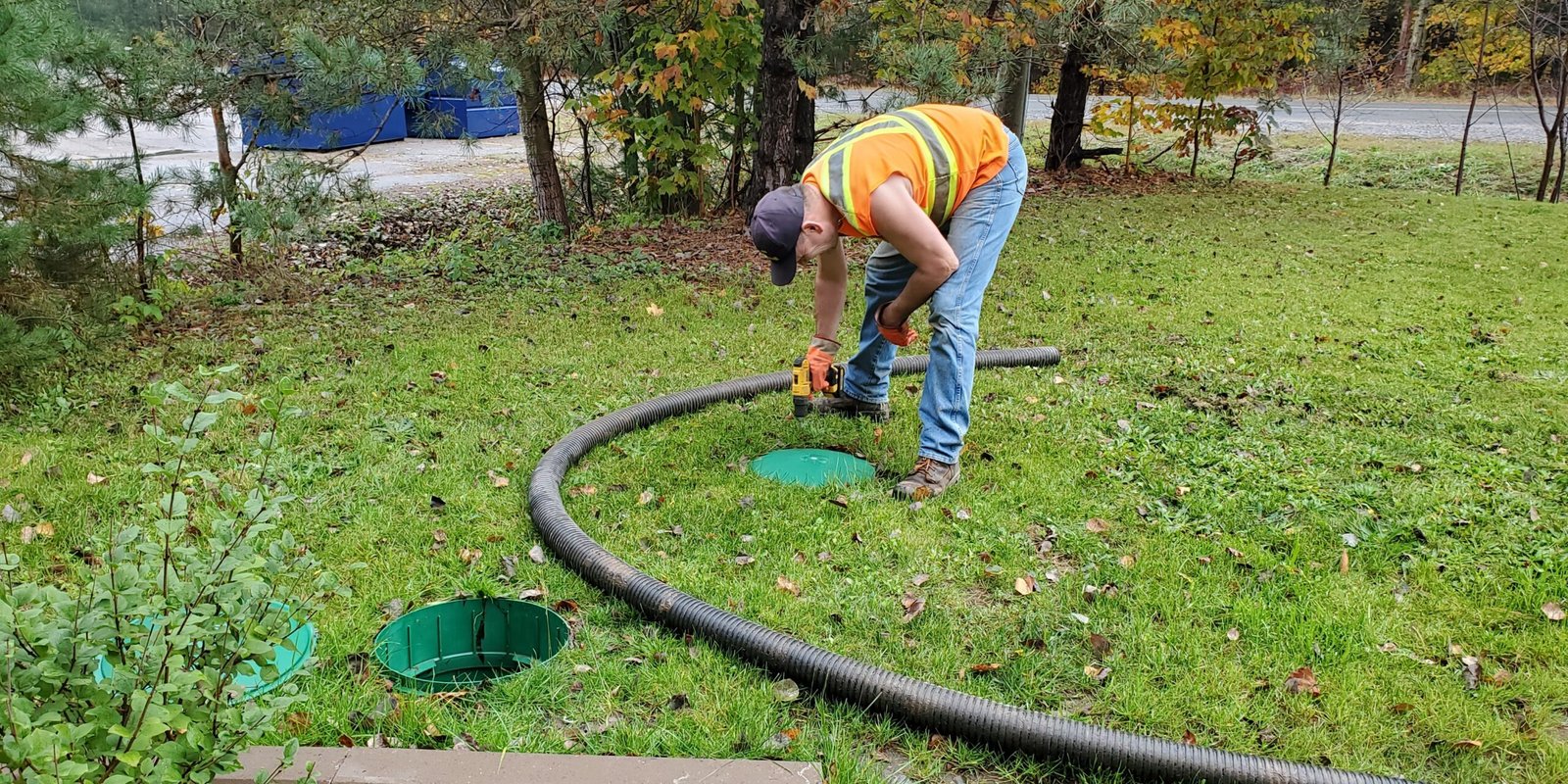
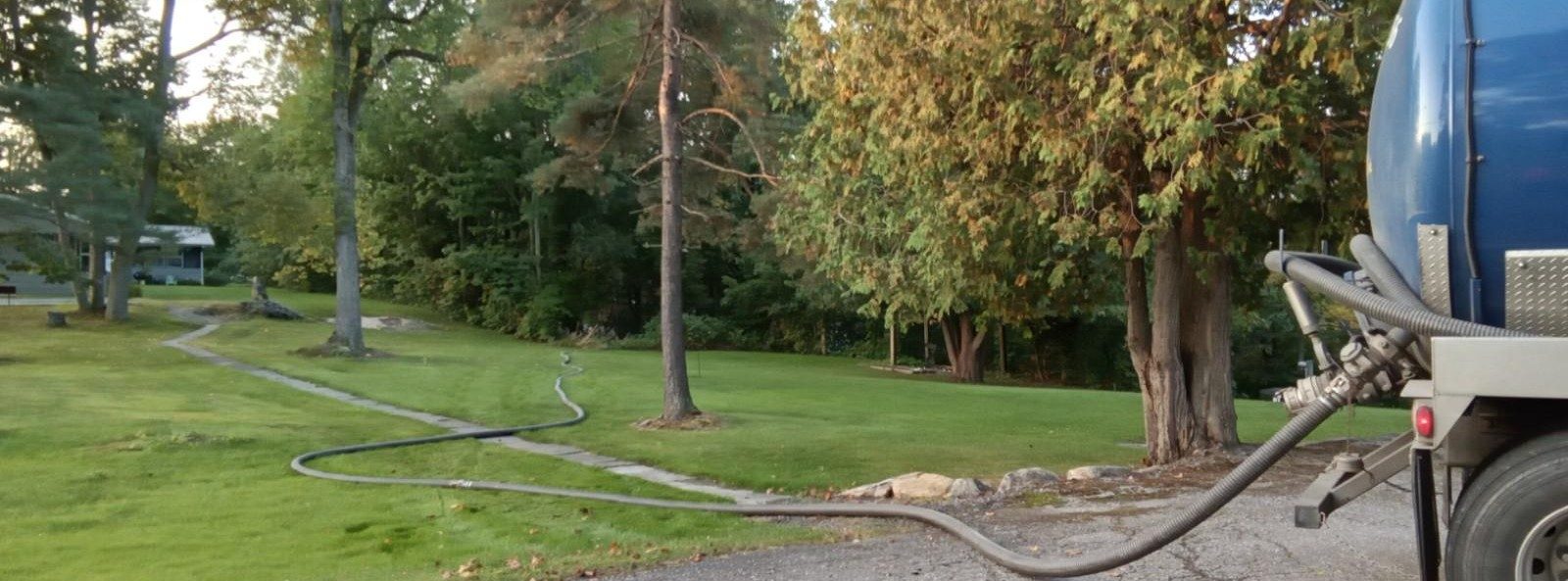
In the kitchen, use strainers in your sink to catch food particles and dispose of them in the trash rather than the garbage disposal. Regular maintenance and inspections of your septic system are also vital. Call of the Wild Sanitation can pump your septic tank as needed, removing accumulated grease and preventing potential problems.
The Role of Grease Traps
For those who do a lot of cooking at home, installing a grease trap can be a smart preventative measure. A grease trap is a plumbing device designed to intercept most grease and solids before they enter the wastewater disposal system. While commonly used in commercial kitchens, they can be beneficial for residential properties, particularly those with septic systems.
Educate the Household
Ensuring that everyone in your household understands the importance of proper grease disposal is crucial. Educate family members, housemates or tenants about the dangers of pouring grease down the drain and encourage practices that protect your septic system. This can include simple habits like wiping greasy pots and pans with a paper towel before washing them.
Signs of Grease Related Issues
Being aware of the signs that grease might be affecting your septic system can help you catch problems early. Slow drains, unpleasant odors around your septic tank or drain field and wet spots in the yard are all potential indicators of a problem. If you notice any of these signs, it’s important to give us a call. We can then assess the situation and perform any necessary maintenance.
Conclusion
Grease might seem like a minor inconvenience in the kitchen, but it can cause major headaches for your septic system. By understanding the effects that grease can have and taking proactive steps to keep it out of your drains, you can protect your system, your home and the environment. Remember, a well-maintained septic system is not only a key component of a healthy home but also a reflection of good stewardship of the resources we all share. So, next time you’re cooking up something tasty, think twice before letting that grease go down the drain. Your septic system will thank you!